Give your WordPress site its first task.
Connect the site you already have, add your agent to Slack or Telegram, and tell it what you need.
Connect your siteStart with 500 free credits. No credit card needed.
Editing a page in WordPress is four clicks until it isn’t. The hard part is knowing whether the thing you want to change lives in the page, in a template, in a pattern, in a page builder’s own data, or in WooCommerce. This walks through the edit itself, then the checks that tell you whether your change actually reached the live site.
You change a headline, click Update, refresh the live page, and the old headline is still there. Or the text changes and the spacing collapses on mobile. Or the edit link opens a purple screen that says Edit with Elementor and none of the tutorial steps match what you see.
Finding a page and typing in it is the easy part. The part that costs an afternoon is working out which layer of the site owns the thing you want to change. A page has content, but it also sits inside a template, which belongs to the theme, and editing a WordPress theme safely is a different job with different risks. Get the layer right and most edits take two minutes.
Log in at yourdomain.com/wp-admin, open Pages, then All Pages. Hover the title of the page you want and click Edit. Make the change, click Update. That is the whole flow, and on a simple page it works exactly as it reads.
Two shortcuts save time on busy sites:
That copy problem is common enough to check for. Sites accumulate duplicates: /about/ and /about-2/, a seasonal landing page cloned three times, a translated version that looks identical in the list. Before editing, confirm the slug in the row matches the URL you visited. You need the Administrator or Editor role to edit published pages; Contributors can write but not publish.
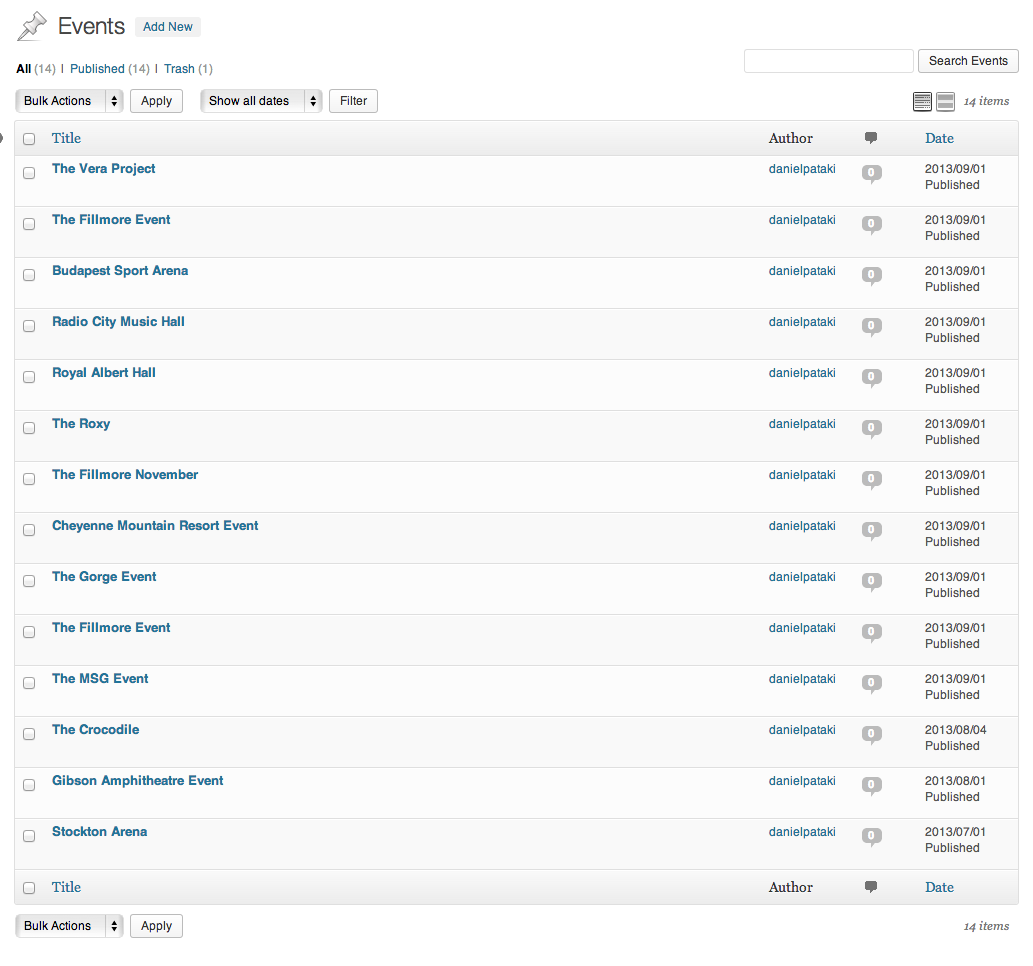
WordPress.org’s documentation calls the default editor the block editor, the WordPress editor or the Gutenberg editor, all the same thing. It builds a page out of blocks: paragraph, heading, image, buttons, columns, group. What you type there is saved into the page’s content, so it is the layer you can reach and change with no help.
Three other things can open instead, and each one means something:
The same distinction explains locked blocks. If you select a section and the layout controls are missing, you are usually inside a pattern, which opens in content-only editing, or inside a template part being edited from a template. Text is editable, structure is not. Edit the pattern at its source, or open the template part directly, which is the same path as editing the footer in WordPress.
Most “I broke the design” damage is a container that moved. A paragraph sits inside a Group, which sits inside a Column, which carries the padding. Drag the paragraph and the spacing goes with it.
For small markup fixes, the three-dot menu at the top right switches to the Code editor, and a Custom HTML block holds raw markup inside a page. Structural changes belong in a child theme, not in the page.
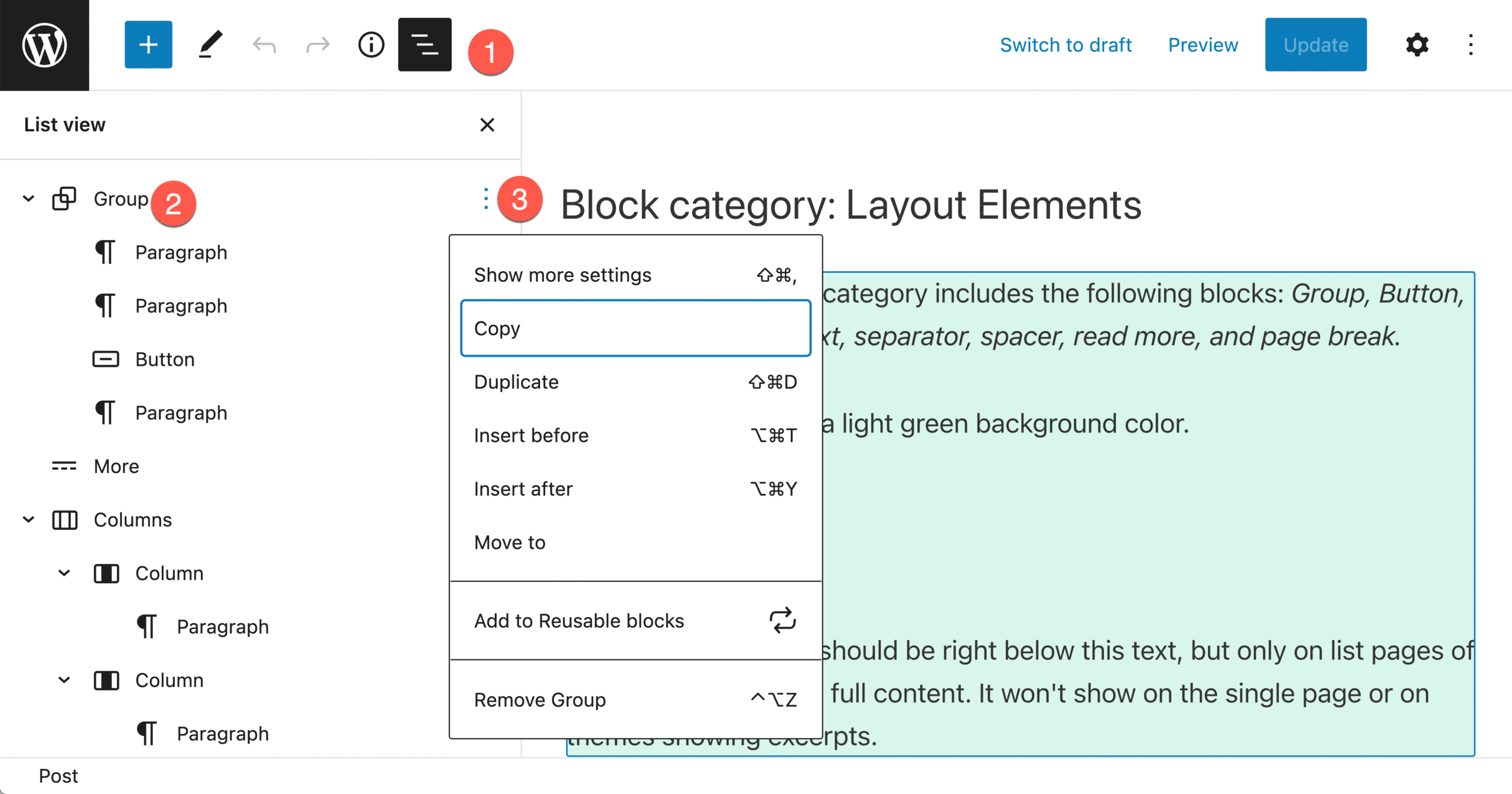
The edit almost always saved. Something else is deciding what visitors see. Work down this list in order, because the cheap causes are also the common ones.
front-page.php before the page you selected, so a theme file can output a layout that owes nothing to the page editor. Change it in the template, in a child theme so an update does not wipe the work.The WooCommerce Shop page deserves its own line, because it is the single most reported version of this. WooCommerce’s own documentation lists Shop, Cart, Checkout and My Account as pages created automatically during setup, and notes that Shop requires no content. WooCommerce builds the product listing on the fly. Editing that page does nothing. Change the Product Archive template in the Site Editor, use your theme’s catalog options under Appearance then Customize if it has them, or build a normal page with a shortcode such as [products columns="3" orderby="date"] and assign it as the shop page in WooCommerce settings.
If tracking down which layer owns a change is not how you want to spend the afternoon, SiteSelf handles WordPress page edits through chat: you say what to change, the agent finds the page, makes the change, fetches the result and reports what it changed and what it checked, and pages owned by Elementor, Divi or Beaver Builder are refused at the moment of work, with the reason.
A blank editor canvas, a critical error on the edit screen, or a 404 on the edit link is a different problem from an edit that does not appear. WordPress.org support replies and builder documentation converge on the same sequence. Follow it in order; the early steps are reversible and the last one is where people lock themselves out.
yourdomain.com/wp-json/ in a browser. You want JSON. A 403, a 404, an HTML page or a PHP warning printed above the JSON gives you the classic blank block editor. Resave Settings, then Permalinks, with no changes to reset routing, then look at security plugins and host firewall rules that filter that path.define('WP_MEMORY_LIMIT', '512M'); to wp-config.php, and raise the server’s own memory_limit too, since WordPress cannot exceed it. Then read the PHP error log, or ask the host for it, because more memory hides a fatal error rather than fixing it. The white screen troubleshooting guide goes through the log reading.wp_usermeta are wrong, or a membership or role manager plugin is overriding them, or you are an admin on a different site in a multisite network.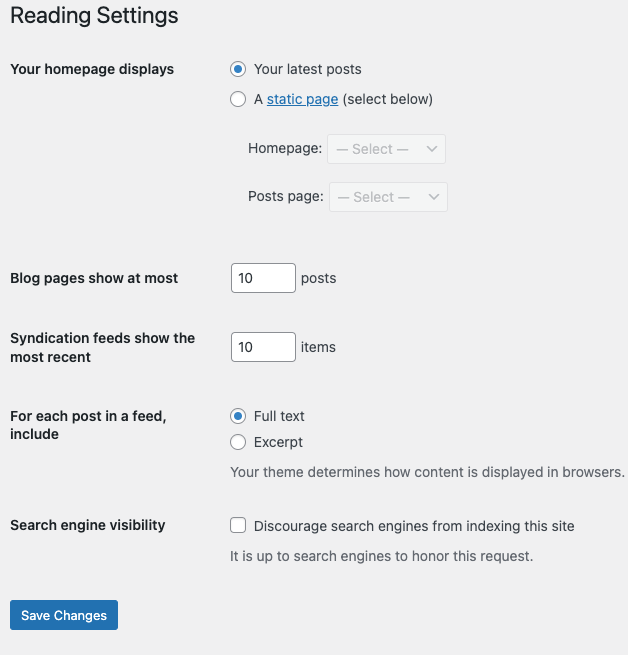
Stop at the database. Editing user capabilities by hand in phpMyAdmin is how people lose access to their own site, and it is the step to hand to a developer along with the error log. Stop too when the cause is a plugin’s code rather than its settings: a plugin that opens output buffering without closing it, or ships files with whitespace after ?>, corrupts the JSON the editor depends on, and only the plugin author or a developer can fix that. And back up before any of this, on a staging copy where you have one. Running a full plugin deactivation test on a live store during business hours is its own outage.
Title, slug, date, parent, template in some themes, status and password protection, all without loading the editor. It is the fastest way to fix a URL or unpublish something. It cannot touch the page’s body content.
Yes. The three-dot menu at the top right of the block editor switches to the Code editor, which shows the block markup for the whole page, and a Custom HTML block holds raw markup inside a layout. Anything structural, like the wrapper around the content, is a template file and belongs in a child theme.
Because it is not a normal page. WooCommerce’s documentation lists Shop among the pages created automatically at setup and notes it needs no content; the product listing is generated on request. Edit the Product Archive template, use your theme’s catalog settings, or build a page around a products shortcode and point WooCommerce at it.
No. The Classic Editor plugin still works, and pages already holding a Classic block still render and open for editing. If you cannot find a Classic block to insert on a recent WordPress version, that is a change to what the inserter offers by default, not the removal of classic editing.
Not safely. The layout is in the builder’s data, so the block editor shows you a stripped version at best. Deactivating the builder to “switch to Gutenberg” leaves orphaned shortcodes and missing sections. Either keep editing in the builder or rebuild the page on purpose, with the old version still live until the new one is ready.
Give them the Editor role, then lock the structure rather than the person: keep hero sections and repeated layouts in patterns and template parts so they open in content-only editing. Text stays editable, spacing and columns do not. A short written note saying which page holds which section beats any capability tweak.
How-to Tutorials
WordPress has no single font setting. Typography can be controlled from the Site Editor, a classic theme’s Customizer, a page builder, a font plugin and raw CSS, sometimes all on the same site. The work is finding which layer is winning, changing it there, and checking the result in a cleared cache.
Read article ›How-to Tutorials
A WordPress drop down list is not one feature. The phrase covers navigation submenus, form select fields, WooCommerce variation pickers and catalog sorting, and each of those is owned by a different system. Work out which one you have before you change anything, because applying the right fix in the wrong place is the most common way this turns into an afternoon.
Read article ›How-to Tutorials
Enabling WordPress Multisite takes five steps and about ten minutes. What takes the afternoon is the part nobody writes down: DNS, web server config, wp-config constants and rewrite rules all have to agree, and when they do not, the symptoms point somewhere other than the cause. This is the install sequence, the decisions that come before it, and the order to check things in when a subsite returns a 404.
Read article ›Connect the site you already have, add your agent to Slack or Telegram, and tell it what you need.
Connect your siteStart with 500 free credits. No credit card needed.