Give your WordPress site its first task.
Connect the site you already have, add your agent to Slack or Telegram, and tell it what you need.
Connect your siteStart with 500 free credits. No credit card needed.
“Hello bar for WordPress” points at three different things: a hosted campaign service, a WordPress plugin that only carries that service’s script, and the whole category of announcement bar plugins. Picking the wrong one is why so much of the advice you find does not apply. Once the bar is installed, the failures are ordinary WordPress failures, and cache is the first suspect.
Someone wants a strip across the top of the site. Free shipping until Sunday, a webinar link, a notice that the shop is closed for a week. The message takes two minutes to write. Then the search for a hello bar for WordPress returns a hosted service, a plugin that designs nothing, a dozen announcement bar plugins and a page builder theme called Hello.
That is most of the problem. The rest is integration: cache layers, a conflicting plugin, a theme that swallows the markup, testing while logged in as an administrator. Almost nothing that goes wrong with a bar is about the bar itself, which is why our guide to fixing WordPress plugins that are not working reads like a hello bar troubleshooting guide.
Work out which one you have before you read any advice, including advice in a support thread with “hello bar” in the title.
The collision is not theoretical. A WordPress.org thread asking how to add “a hello bar” to the header turns out to be about the Hello theme. An Elementor GitHub issue about clicking “Hello” is about the admin bar creating a draft page. Searches on Reddit and WordPress Stack Exchange for hello bar problems mostly return admin toolbar questions and actual bars that serve drinks. If a thread does not name the plugin slug or HelloBar.com, assume it is about something else.
One more thing the silence tells you: there is very little public practitioner discussion of Hello Bar on WordPress. That is not evidence it works well or badly. It means you will be relying on the vendor’s own material and on generic WordPress diagnosis, so it pays to know which is which.
Because it is a pipe, not a product. You create and style the bar at HelloBar.com, then the plugin puts the service’s code on your pages. The changelog records the shape of that job: version 0.5 changed the integration from manually entering a JavaScript tag to entering only an API key, version 0.6 fixed a bug where the API code would not save, and version 0.2 fixed duplicate deployment scripts when the header deployment option was selected. Nothing in there is about designing a bar.
The directory signals for that connector are thin. WordPress.org lists Hello Bar Popup Builder at 3,000 active installations, a 32% rating from 7 ratings, last updated 2026-06-04 and tested up to WordPress 7.0.5. Read that carefully before you draw a conclusion: 7 ratings is far too small a sample to call a quality measure, and 3,000 installs counts the branded connector only. Plenty of Hello Bar users paste the snippet through a script manager or into the theme and never install this plugin.
The plugin listing also says Hello Bar is “trusted by over 600k websites”. That is publisher copy inside a readme file, not a WordPress.org install count, and it does not say how many of those sites run WordPress. Treat it as marketing.
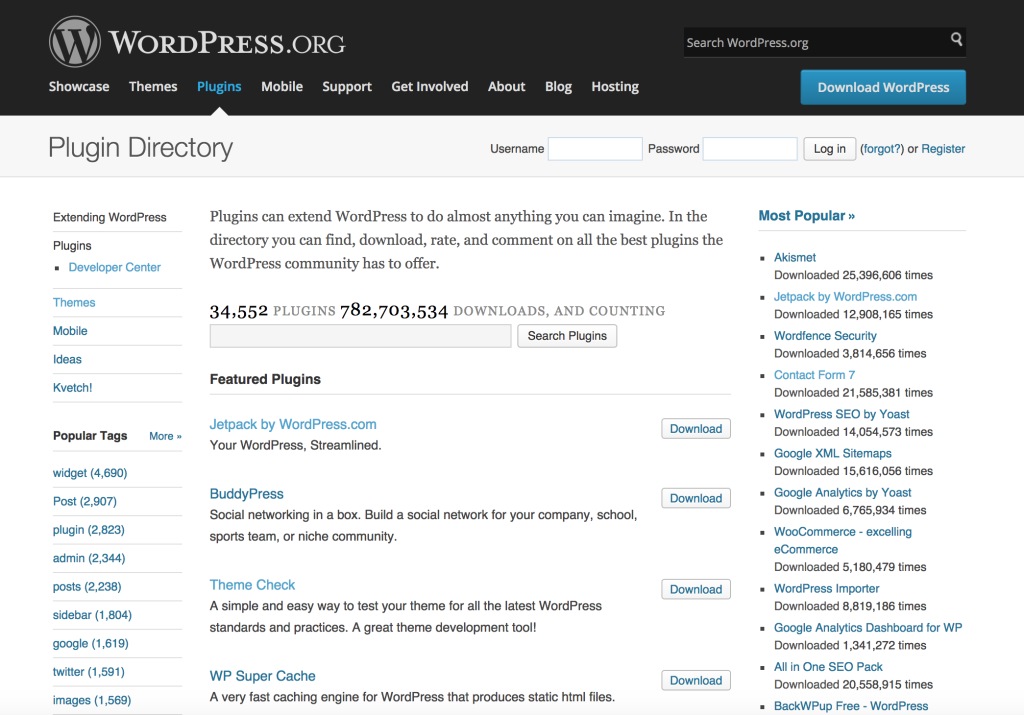
The maintenance signal is worth more than the rating. Being tested up to 7.0.5 while actively maintained plugins in the same category are tested to 7.1.1 tells you about cadence, not breakage. For code that renders on every page of your site, cadence matters.
If you want the hosted service but not the branded connector, Header Footer Code Manager exists for exactly this: it adds tracking snippets, conversion pixels and other third-party scripts to the header or footer. It is a general script manager rather than a documented Hello Bar path, so test it on staging first and keep the snippet somewhere you will find it again.
You need an administrator account in wp-admin for either path, plus a Hello Bar account for the hosted one. Do it on staging if you have staging, and take a backup if you do not.
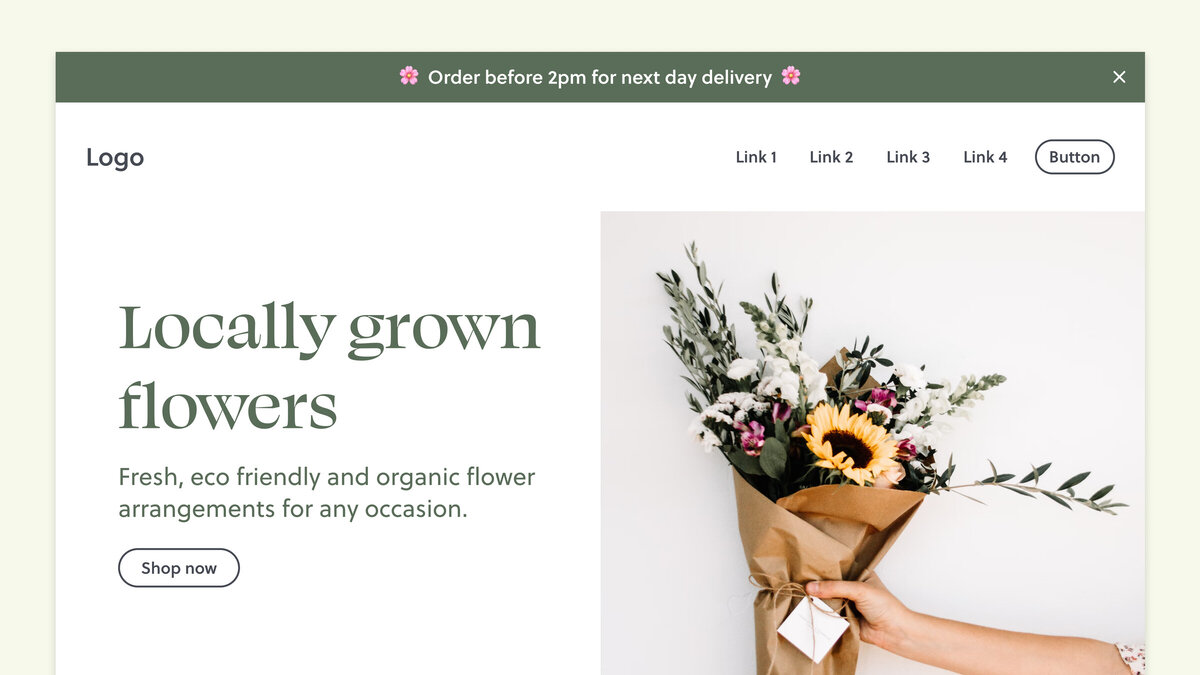
A correct result: the bar appears on the pages you targeted, logged out, in a private window, on a second device. It does not cover the logo, the mobile menu or the first line of content, and dismissing it makes it stay dismissed on the next page.
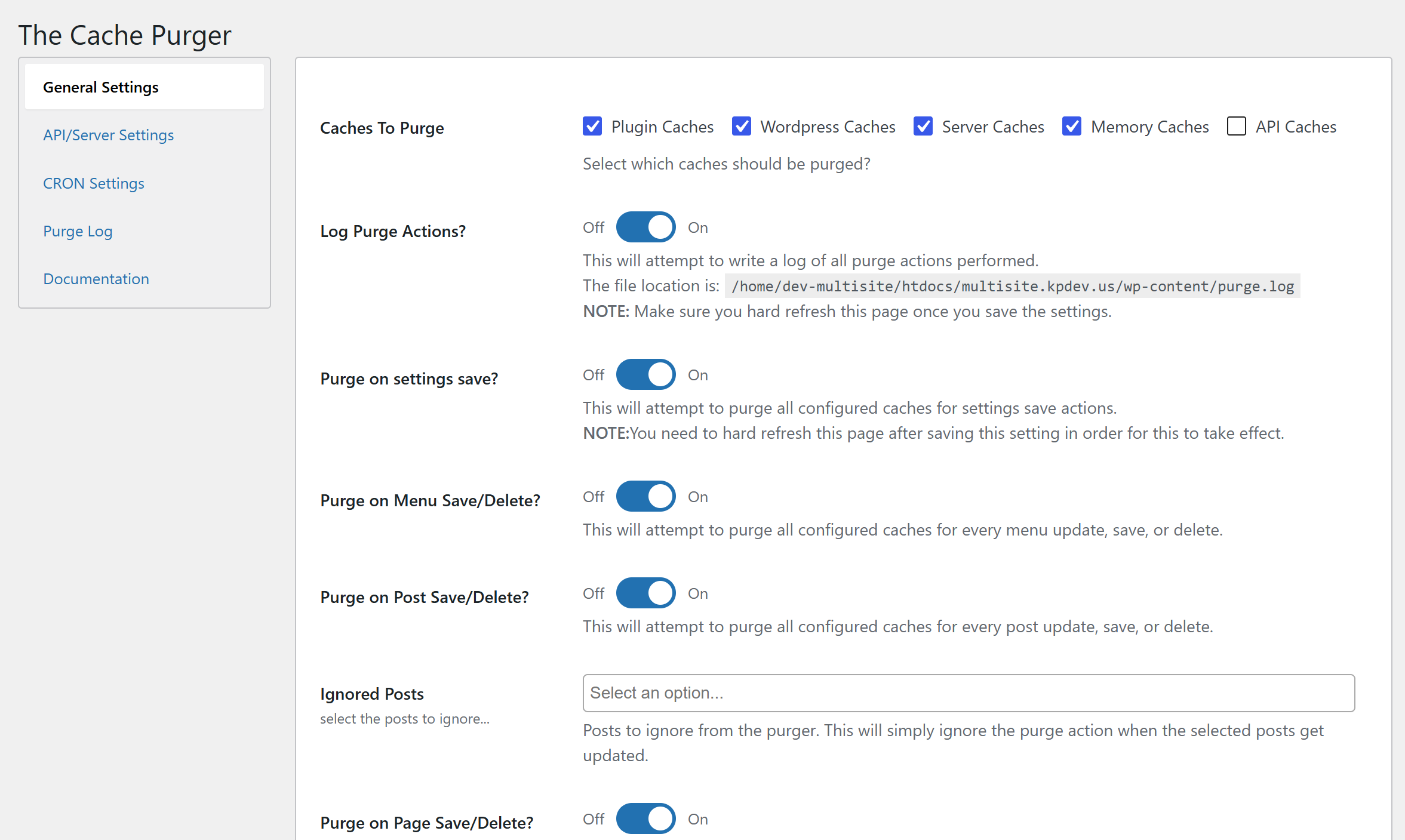
There is no Hello Bar error message. The normal symptom is silence: the bar simply is not there. Work the causes in this order, which reflects how often each one turns up in practitioner guidance rather than a measured survey. The times are rough.
The instinct after a bad update is to go back to the version that worked. For this plugin the changelog argues the other way. Version 1.5 set a PHP 7.4 minimum, 1.5.1 added PHP 8.x compatibility along with security and URL handling improvements, 1.5.2 was security fixes, and 0.6 fixed the API key that would not save. Rolling back hands those bugs back to yourself.
Stop if the dashboard itself goes down. A fatal error from a conflict can lock you out, and the recovery is done over SFTP: rename /wp-content/plugins to /plugins_old to force everything off, then rename it back and re-enable plugins one at a time. If that sounds like a bad evening, it is the point to call your host or a developer. Also stop if the failure is on the vendor’s side, if your host runs a server cache you cannot purge from wp-admin, or if the site is a store taking orders while you experiment.
The hosted service is not selling you a strip of text. Any of a dozen free plugins will draw that. It sells campaign management: targeting by geography, device and referral source, scheduling, split testing and reporting across more than one site. Those are the vendor’s feature claims, and they are the reason to accept the dependency, if you accept it.
What you give up is control of code that runs on every page. Three things follow.
Performance is unmeasured. The product documentation says it does not affect site speed. No independent benchmark exists to check that. A remotely loaded script that renders visible content at the top of the viewport is exactly where render blocking and layout shift live, so measure it on your own site with the bar on and off rather than trusting either side of the argument.
Security reaches every visitor. In January 2026 the CVE programme announced CVE-2026-1042, stored cross-site scripting in a WordPress plugin named WP Hello Bar, via the digit_one and digit_two parameters. Note the name: WP Hello Bar is not obviously the same plugin as Hello Bar Popup Builder, and those parameter names suggest a countdown feature that does not appear in the Popup Builder changelog. Check the exact plugin slug you have installed against Wordfence or the CVE record before you assume you are affected, and before you assume you are not.
Pricing is not what review sites say it is. Three 2026 review pages report two incompatible monthly schedules for the same plans. A free tier is consistently reported. Read the current prices from the vendor, not from an affiliate review.
A bar is a small, reversible, high-visibility change, which makes the coordination around it absurd. Writing the message takes two minutes. Deciding where the markup goes, checking it against a sticky header, testing it logged out on a phone and taking it down again is what turns a ten-minute job into a ticket.
SiteSelf is an AI agent for existing WordPress sites: you describe the change in chat, it does the work on the live site, checks the result and reports what it changed. Bars sit squarely in design changes on an existing site.
Example request: “Add a bar across the top of every page: Free delivery on orders over 50 until Sunday, dark green background, white text, linking to /shop. Make sure it does not cover the mobile menu.”
What happens next: the agent looks at what the site already has, either a bar plugin that is installed or the theme’s own header, makes the change there rather than adding a fifth plugin, then fetches the changed page and reports what it did and what it checked. Settings and content work runs through the SiteSelf Connector plugin from the WordPress.org directory. Theme templates, CSS and a snippet in the header need hosting access over SSH, so say which you can give.
The limits are worth stating plainly. If the page is owned by Elementor, Divi or Beaver Builder, the work is refused at the moment it is attempted, with the reason. Nothing runs on a schedule, so “take it down on Monday” is a second message on Monday. Campaigns that live in a vendor dashboard such as HelloBar.com stay there: third-party systems are read at most, and nothing is written to them. Before a change, the agent says what is about to change and whether it can be undone, and what it did is recorded.
Yes, on both paths. The hosted service is built around pasting a key or a snippet, and native bar plugins are configured entirely in wp-admin. Code only enters the picture if you want the bar inside a custom theme header or need CSS to stop it colliding with a sticky menu.
A free Starter tier is reported consistently by third-party review pages, with paid tiers above it. Those same pages disagree with each other about the paid prices, so read the current numbers from the vendor before you plan around them.
Two copies of the script. Usually the plugin is deploying it and someone has also pasted it into the theme header or a code manager. An old version of the connector plugin also duplicated the script on its own when the header deployment option was used, which version 0.2 fixed. Use one deployment method and update the plugin.
Either the display rules exclude that page or that page is being served from cache. Check the targeting rules first because it takes ten seconds, then purge the cache for that URL and reload it in a private window.
No verified compatibility list exists for Hello Bar specifically. In practice the risk is layout rather than function: bars, sticky headers, cookie notices and builder-rendered headers all compete for the same strip of screen. Test on a product page and on a builder page before you announce the campaign.
Judge it the way you would any plugin that outputs on every page: check the active install count, the rating volume, the last updated date and whether it is tested against a current WordPress release, then look the slug up in a vulnerability database. A bar is a high-exposure surface, since whatever it renders reaches every visitor.
Explainers
A landing page builder for WordPress is not a separate platform. It is either a plugin that creates ordinary WordPress pages or a set of blocks and patterns inside the editor you already have. The choice you are really making is who owns the markup after launch, and how much weight the page carries.
Read article ›Explainers
WordPress already plays audio without a plugin, so the useful question is what a music player plugin adds on top and what it costs you afterwards. The answer is playlists inside page builders, product previews, podcast feeds and radio streams, paid for in JavaScript, file-path fragility and a security record that only updating fixes. Patchstack lists 16 patched vulnerabilities for the most installed player in the category.
Read article ›Tips & Strategies
Theme customization in WordPress is not one task. It is a choice about which layer holds the change: theme settings, CSS, a child theme, or a plugin. Pick the wrong layer and the change either disappears at the next update or takes the site down with it.
Read article ›Connect the site you already have, add your agent to Slack or Telegram, and tell it what you need.
Connect your siteStart with 500 free credits. No credit card needed.